
No pre-treatment system
The desulfurization wastewater can be directly fed into the reverse osmosis system for direct concentration, without the need for a complex pre-treatment system at the front end. It can operate stably for a long time.
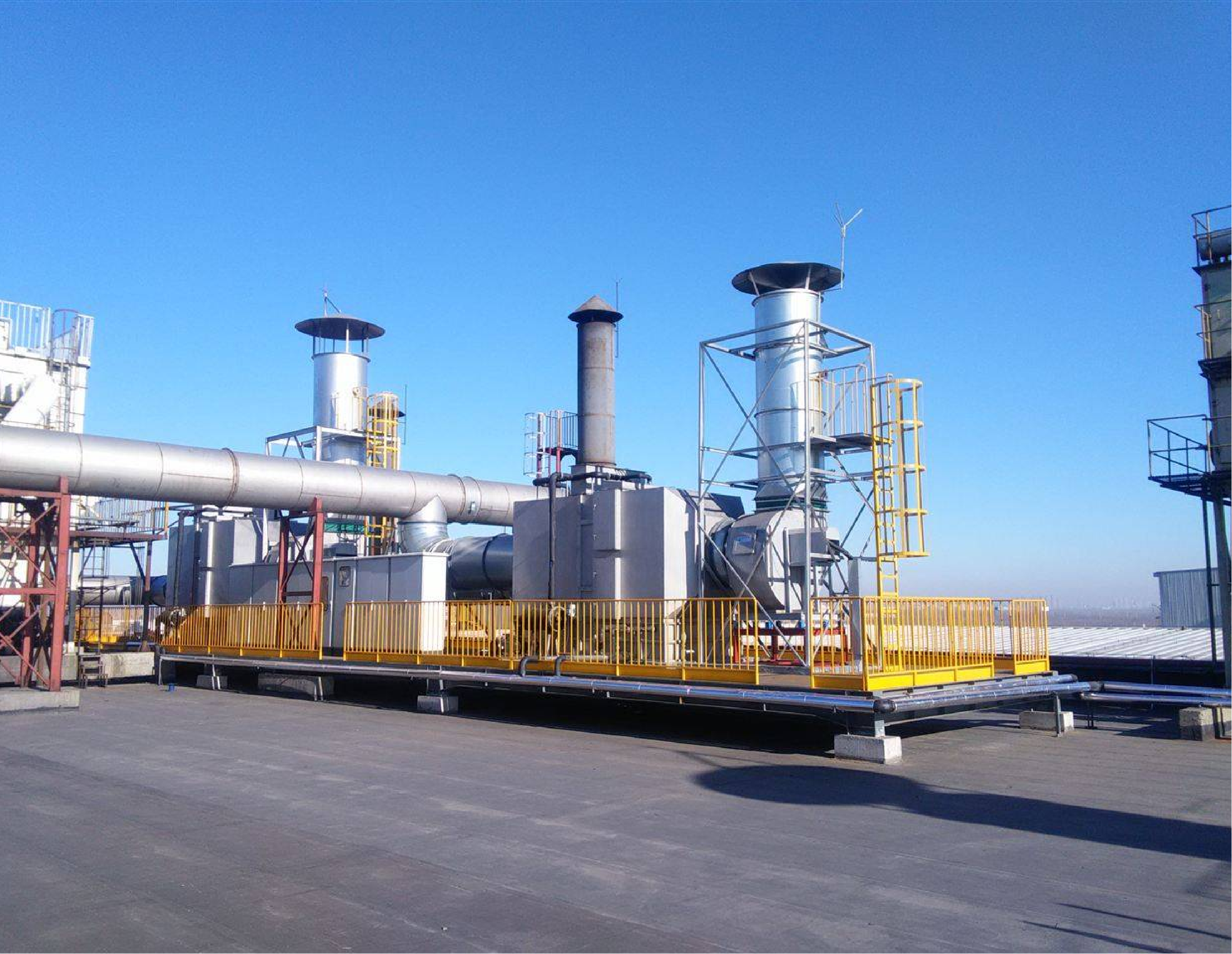
The core of the scheme adopts the principle of natural osmotic pressure difference-driven separation. The entire process operates at normal temperature and near normal pressure without pressure increase, and no high-pressure booster equipment is required. By relying on the concentration difference on both sides of the membrane to drive water molecules to spontaneously penetrate through the reverse osmosis membrane, it can efficiently retain calcium and magnesium hardness, silica, sulfate, heavy metal ions, suspended gypsum particles, colloids and residual chemical agents in the wastewater from the power plant. This can completely prevent the problems of pollutant compaction, irreversible scaling and fouling failure caused by pressure squeezing in traditional high-pressure membranes. The system has extremely strong resistance to water quality shocks, high salt content and scaling, and can perfectly adapt to the harsh working conditions of power plant startups and shutdowns, load variations, and large fluctuations in desulfurization water quality. It can maintain stable permeation flux and separation effect over a long period of time.
Performance parameters
| Inflow water source | Fluoride power plant desulfurization wastewater, circulating cooling discharge wastewater, chemical regeneration wastewater, and comprehensive wastewater of the power plant |
| Inflow salt content (Total Dissolved Solids) | 5000 - 150000 mg/L, suitable for high and low salinity fluctuation operating conditions |
| Inflow hardness | ≤1500 mg/L (calculated based on CaCO₃), capable of tolerating extremely hard water conditions |
| Running water temperature | 15 - 45℃, optimal operating condition is 25 - 35℃, suitable for power plant water temperature fluctuations |
| Overall removal rate of heavy metals / fluorides | ≥99.2% |
| Stable membrane flux operation | 8 - 22 LMH (Conventional wastewater condition of the power plant) |
| System comprehensive recovery rate | 80%~93% |
| Operating mode | Constant temperature and pressure-free permeation drive, without high pressure, no phase change, and no high-temperature heating |
| Continuous operation capability | 24-hour uninterrupted continuous operation, with excellent resistance to water quality and volume fluctuations |
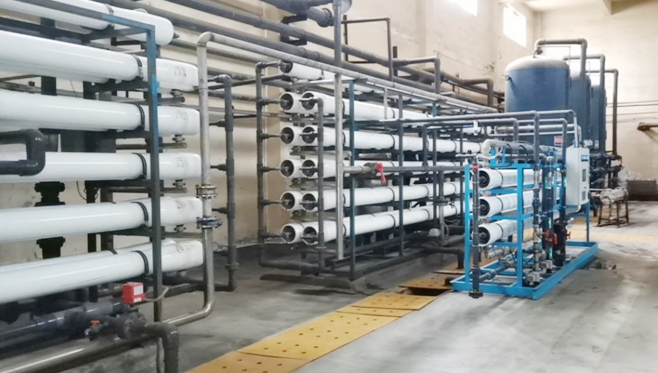
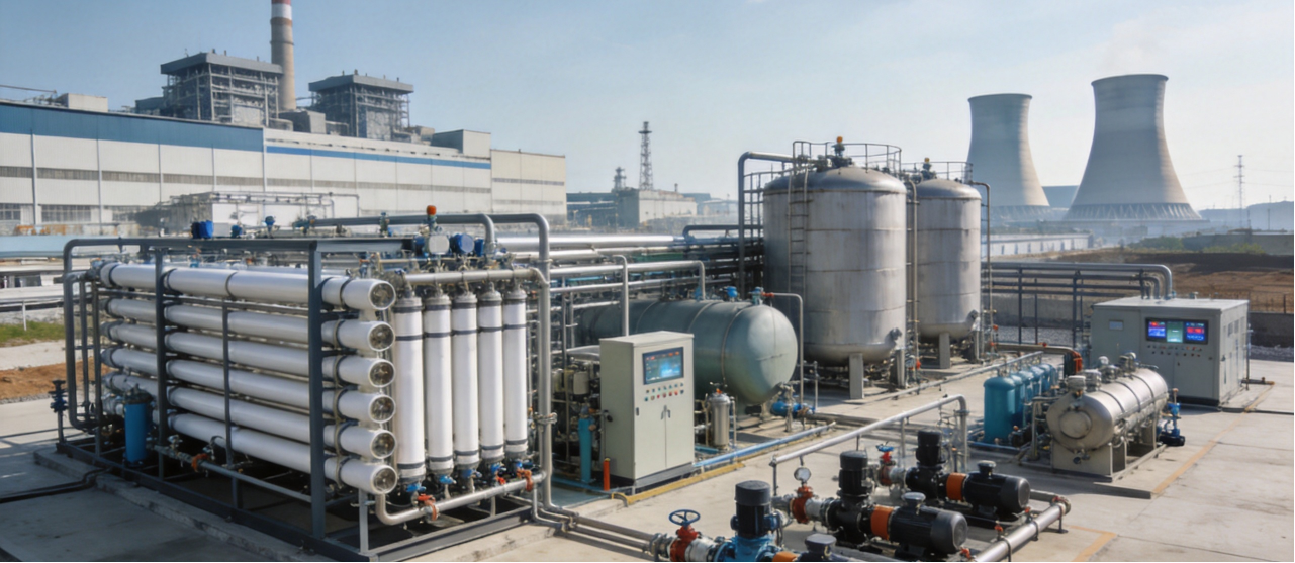
The desulfurization wastewater can be directly fed into the reverse osmosis system for direct concentration, without the need for a complex pre-treatment system at the front end. It can operate stably for a long time.

The forward osmosis membrane has solved the clogging problem in membrane processes for treating desulfurization wastewater (the cleaning cycle of the forward osmosis equipment is 1 to 2 months), and it has a longer membrane lifespan and a reduced cleaning frequency.

The desulfurization wastewater volume was reduced by 4 to 7.4 times, achieving a 75% to 90% recovery and reuse of high-quality water resources. Compared with the traditional reverse osmosis process, the water resource reuse rate was increased by more than 35%.

The equipment process path is simple and can adapt to the complex and highly variable characteristics of desulfurization wastewater.